The Future of Product-Led Growth in B2B SaaS
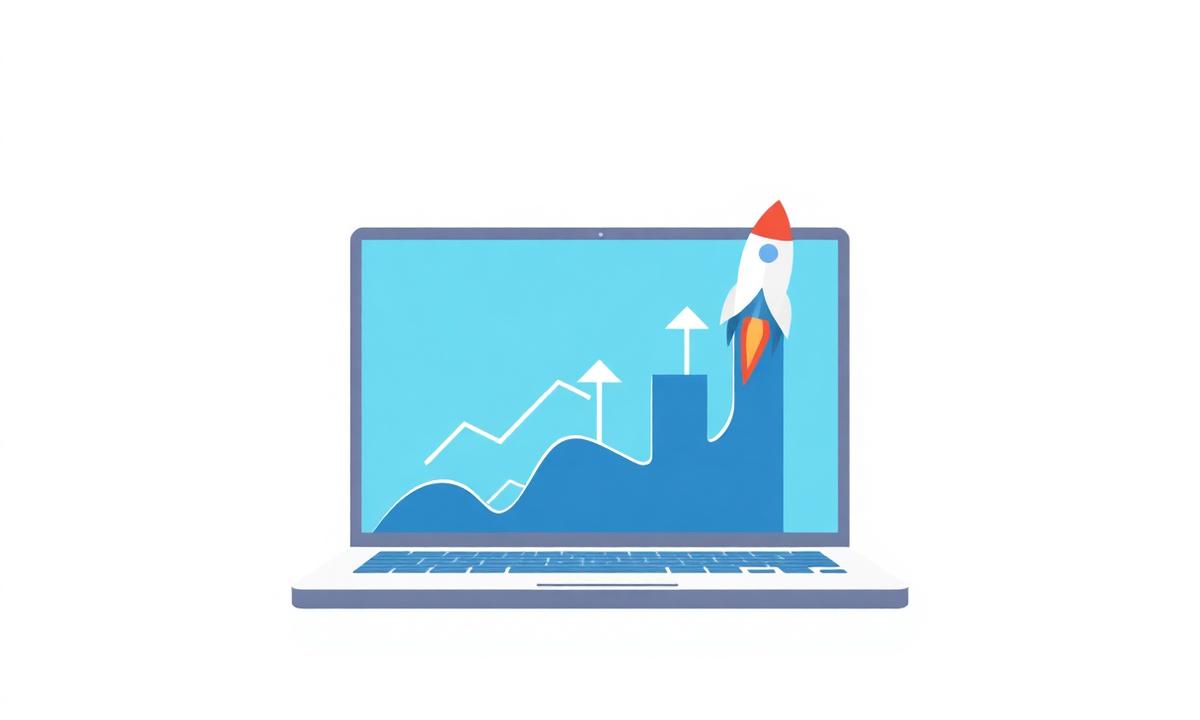
Exploring how product-led growth strategies are transforming B2B SaaS companies and driving sustainable revenue.
Why Product-Led Growth Still Matters
Product-led growth (PLG) has matured from a buzzword into a proven go-to-market strategy. But many B2B companies still implement it superficially, adding a free tier without redesigning their entire customer journey around the product experience.
The companies that succeed with PLG treat it as an organisational strategy, not just a pricing tactic. Research from OpenView Partners consistently shows that PLG companies grow faster and more efficiently than their sales-led counterparts.
The Core Mechanics
PLG works because it aligns incentives. When the product is the primary driver of acquisition, conversion, and expansion, every team is motivated to improve the product experience. Sales becomes an accelerant, not a bottleneck.
The key metrics that distinguish successful PLG implementations:
- Activation rate: The percentage of signups that reach their first moment of value. Best-in-class companies achieve 40-60% activation within the first session.
- Time to first value: How quickly a new user accomplishes something meaningful. The target should be minutes, not days.
- Product-qualified leads (PQLs): Users who demonstrate buying intent through product behaviour, not form fills. Pocus offers a useful breakdown of how PQLs differ from MQLs.
The Hybrid Reality
Pure PLG is rare in B2B. Most successful companies operate a hybrid model where self-serve handles the long tail and sales handles enterprise accounts. The critical design decision is where the handoff happens.
Companies that get this wrong create two problems:
- Sales cannibalises self-serve: Reps intercept users who would have converted organically, inflating CAC without increasing revenue.
- Self-serve leaks enterprise deals: High-value accounts sign up for starter plans and never engage with sales, leaving expansion revenue on the table.
Designing the Conversion Funnel
The most effective PLG funnels share common characteristics, as outlined by Kyle Poyar at Growth Unhinged:
- Generous free tier: Enough functionality to demonstrate genuine value, constrained by usage limits that naturally trigger upgrade conversations.
- Usage-based expansion: Revenue grows with adoption, creating alignment between customer value and company revenue.
- Strategic friction: Deliberate moments where users encounter paywalled features that connect directly to their next workflow challenge.
Measuring What Matters
Many PLG companies over-index on top-of-funnel metrics (signups, MAU) while under-investing in conversion and expansion metrics. The metrics that actually predict revenue growth are:
- Expansion revenue rate: Revenue growth from existing customers without sales intervention.
- Natural conversion rate: The percentage of free users who convert without any sales touch.
- Feature adoption depth: How many core features the average user engages with before converting.
Looking Ahead
The next wave of PLG innovation will be driven by AI-powered onboarding, personalised upgrade prompts based on usage patterns, and automated customer success at scale. Companies building these capabilities now will have significant advantages over those still relying on traditional sales-led motions.
According to Gartner, by 2025 the majority of B2B software companies will have some form of product-led motion. The question is no longer whether to adopt PLG, but how to implement it effectively.